How population varies between places


|
|
|
Explain dependency and ageing ratios
As population change the levels of population that are dependent, such as young children and elderly people also change. This will impact the society economically and socially.
The dependency ration provides a crude measure of ageing.
The UN Population Ageing report provides a comprehensive look at the causes and effects of Ageing.
As population change the levels of population that are dependent, such as young children and elderly people also change. This will impact the society economically and socially.
The dependency ration provides a crude measure of ageing.
The UN Population Ageing report provides a comprehensive look at the causes and effects of Ageing.
Case Studies of population distribution
India
India has large population which continues to grow, which will make India's population the largest in the world within 10 years. Many people migrate from rural to urban areas to gain better lives. The size of the populations moving has contributed to large megacities with over 15 million people.
Australia
Australia's population is only a small fraction of India's, however, some similarities exist. Sydney and Melbourne attract the largest populations placing strain on housing and transport infrastructure.
India
India has large population which continues to grow, which will make India's population the largest in the world within 10 years. Many people migrate from rural to urban areas to gain better lives. The size of the populations moving has contributed to large megacities with over 15 million people.
Australia
Australia's population is only a small fraction of India's, however, some similarities exist. Sydney and Melbourne attract the largest populations placing strain on housing and transport infrastructure.


Processes of population change and their effect on people and places
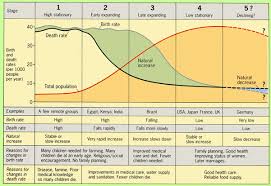
Population changes
Populations change for a variety of reasons.
Populations change for a variety of reasons.
|
Megacities
There are currently around 37 cities classes as megacities with populations of more than 10 million people.
There are currently around 37 cities classes as megacities with populations of more than 10 million people.
The causes and consequences of forced migration and internal displacement
People migrate for a very wide range of reasons, not all of which are of their own choosing. Migration can be voluntary or forced. People who engaging in voluntary migrations tend to be relatively privileged, while forced migrations are a response to far more desperate circumstance. Globally people will flee persecution or conflict both internally (known as internally displaced peoples) or internationally (known as refugees). There are currently around 65 million people seeking safety (UNHCR).
The trafficking of people is a persistent global problem that involves source nations, transit nations and destination nations. There are an estimated 48 million slaves in the world today (Global Slavery Index). The UNODC investigates global human trafficking.
People migrate for a very wide range of reasons, not all of which are of their own choosing. Migration can be voluntary or forced. People who engaging in voluntary migrations tend to be relatively privileged, while forced migrations are a response to far more desperate circumstance. Globally people will flee persecution or conflict both internally (known as internally displaced peoples) or internationally (known as refugees). There are currently around 65 million people seeking safety (UNHCR).
The trafficking of people is a persistent global problem that involves source nations, transit nations and destination nations. There are an estimated 48 million slaves in the world today (Global Slavery Index). The UNODC investigates global human trafficking.


Population possibilities and power over decision-making
Global and regional trends in population
Worldwide, fertility rates have been declining as populations attain a higher standard of living.
Worldwide, fertility rates have been declining as populations attain a higher standard of living.
Pro-natalist policy or anti-natalist policies
Pro-natalist policies are more likely to be found in MEDCs and may involve baby bonuses, social inducements and child care arrangements that encourage prospective parents.
Anti-natalist policies may be more draconian and are more frequently found in LEDCs. China's One Child Policy is a classic example. However India has also attempted to reduce fertility as has Singapore.
Pro-natalist policies are more likely to be found in MEDCs and may involve baby bonuses, social inducements and child care arrangements that encourage prospective parents.
Anti-natalist policies may be more draconian and are more frequently found in LEDCs. China's One Child Policy is a classic example. However India has also attempted to reduce fertility as has Singapore.
|
|
|
Policies for youthful and ageing populations
Both youthful and relatively old populations have advantages. Like most demographic issues the advantages can be both social and economic.
Youthful populations have more issues with crime and instability. However, they also represent a rapidly growing workforce. Youthful populations are more likely to challenge an existing status quo and question hierarchies.
Conversely, older populations may be more conservative. They are also likely to have more disposable income. A challenge comes from catering from the medical needs of older populations.
Both youthful and relatively old populations have advantages. Like most demographic issues the advantages can be both social and economic.
Youthful populations have more issues with crime and instability. However, they also represent a rapidly growing workforce. Youthful populations are more likely to challenge an existing status quo and question hierarchies.
Conversely, older populations may be more conservative. They are also likely to have more disposable income. A challenge comes from catering from the medical needs of older populations.
|
|
|
Evaluate internal and international migrations in terms of their geographical impacts at their origins and destinations.
Migration can be evaluated in terms of the positives and negatives that flow to the destination or the country of origin.
Migration can be evaluated in terms of the positives and negatives that flow to the destination or the country of origin.
The demographic dividend
The demographic dividend refers to a change in the age structure of a nation that places a higher percentage of the population within the working ages.
The demographic dividend refers to a change in the age structure of a nation that places a higher percentage of the population within the working ages.
|
|